Description
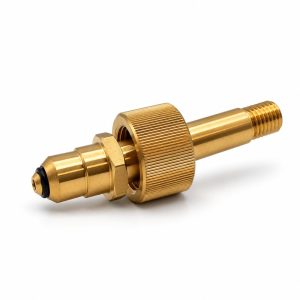
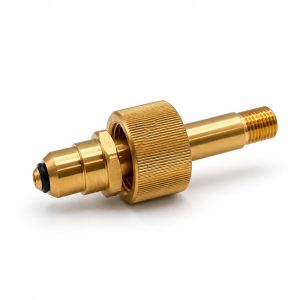
This is a Cylinder Connector that adheres to NEVOC ISO 5145 No. 32 standards. It is made of brass with a Bull Nose Stem and is priced at £40.00 (excluding VAT).
The specifications are:
- W 30mm x 2 with a 17.3 – 18.7 right-hand (RH) female nut.
- 1/4″ NPT male connection on the other end.
- 100mm stem length.
- Available in Brass
This connector is designed for use with oxidising gases.
FAQ
Frequently Asked Questions:
How do I choose the right cylinder connector for my equipment?
It’s important to match the type of cylinder connector with the specific gas and equipment being used, taking into account factors such as thread type, size, and pressure rating. Consult the equipment manufacturer’s specifications or a knowledgeable supplier to ensure that you choose the correct cylinder connector.
What is the proper way to connect a cylinder connector to a gas cylinder?
Before connecting a cylinder connector, ensure that the fitting is compatible with the cylinder valve, gas type and operating pressure, and that the gas supply system has been appropriately isolated and depressurised.
Carefully align the connector with the cylinder valve and engage the threads by hand to avoid cross-threading.
For standard cylinder connectors, use a correctly sized spanner to tighten the connection in accordance with the manufacturer’s instructions.
For hand-tight cylinder connectors, the specially designed tightening nut allows the connection to be secured by hand, without the need for a spanner. Do not use additional tightening tools unless specifically instructed by the manufacturer.
Once connected, check for leaks using an approved method suitable for the gas and application before putting the cylinder into service.
All cylinder connections should be carried out by suitably trained and competent personnel, following the manufacturer’s instructions and appropriate safety procedures.
GES supplies both standard and hand-tight cylinder connectors. Explore our Hand-Tight Cylinder Connector range or contact us for advice on selecting the correct fitting.
What is the difference between a hand-tight cylinder connector and a standard cylinder connector?
A standard cylinder connector typically requires a suitable spanner to tighten the connection securely, whereas a hand-tight cylinder connector is specially designed to be tightened by hand, without the need for additional tools.
Hand-tight cylinder connectors can offer a convenient alternative, particularly where gas cylinders are changed regularly. Benefits include quicker and easier cylinder changes, reduced risk of overtightening and improved accessibility in restricted spaces.
At GES Gas Equipment Services Ltd, we stock a range of brass hand-tight cylinder connectors, including BS341 No.3, No.4, No.30, No.32 and No.38 (NEVOC ISO 5145).
The correct connector must always be selected for the cylinder valve, gas type, operating pressure and application. All connections should be made and leak-checked in accordance with the appropriate safety procedures.
View our Hand-Tight Cylinder Connector range or contact us if you need help sourcing a different option.
How often should cylinder connectors be inspected and replaced?
Cylinder connectors should be visually inspected regularly for signs of damage or wear, and periodically pressure tested to ensure that they remain leak-tight. Follow the equipment manufacturer’s recommendations for inspection and replacement intervals, or consult a knowledgeable supplier for guidance.
Where can I seek advice about cylinder connectors?
If you need advice about a cylinder connector, we are able to support. There are several other sources you can turn to:
The Equipment Manufacturer: The manufacturer of the equipment that the cylinder connector will be used with is a good source of information about choosing the right cylinder connector. They can provide guidance on the specific type, size, and specifications needed for your equipment.
Your Gas Supplier: Your gas supplier can also provide advice on cylinder connectors, as they have expertise in the types of gases being used and the equipment needed to handle them safely.
The Cylinder Connector Manufacturer: The manufacturer of the cylinder connector may also be able to provide advice on choosing the right product for your application and ensuring proper installation and use.
Industry Organisations: British Compressed Gas Association (BCGA) can provide guidance on cylinder connectors and related equipment standards and practices.
It’s important to make sure that the advice you receive is from a reputable source and is specific to your application and needs. Improper selection or use of a cylinder connector can lead to safety hazards, so it’s crucial to take care when choosing and using these components. Contact us here for any advice required.